FOR PARENTS MENU

About The HELP Project

Since 2001, the HELP Project has supported the health literacy needs of families through short, parent-directed educational activities that address important information about children’s health.

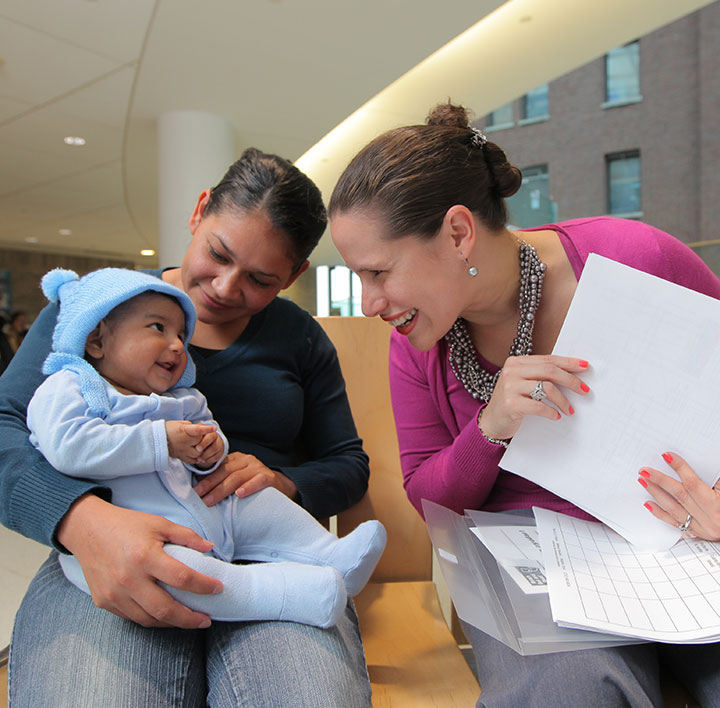
The HELP Project is modeled after Bellevue’s successful Reach Out and Read early childhood literacy intervention. In both programs, staff and specially trained volunteers engage parents in pediatric clinic waiting rooms — providing educational information in an informal, interactive way.

WATCH
12:23 / The HELP Project

A collaboration of NYU School of Medicine’s Department of Pediatrics and Bellevue Hospital Center’s Pediatric Clinic, the HELP Project reflects both institutions’ commitment to medically underserved communities, including immigrants from diverse cultures and backgrounds.

The Ways We Help

Learn More
Greenlight HELP Initiative
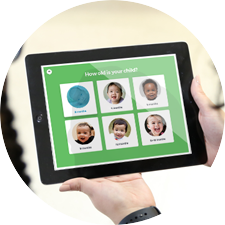
Empowering parents to help their children
grow healthy, strong and at a healthy weight
Learn More
Medication HELP Initiative
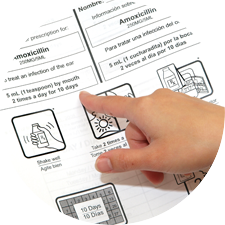
Helping parents understand their children's
medicine–labels, instructions and dosing

How We Work

APPROACHCURRICULUM

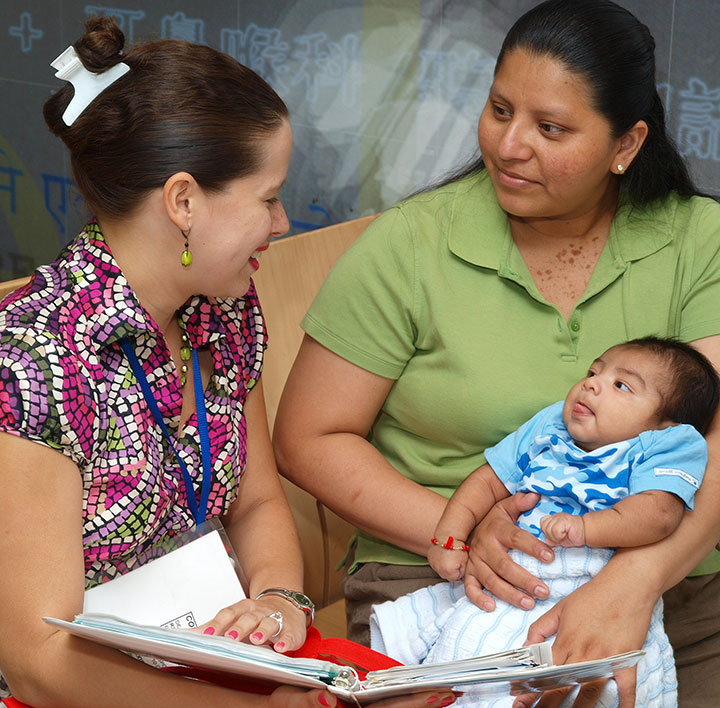
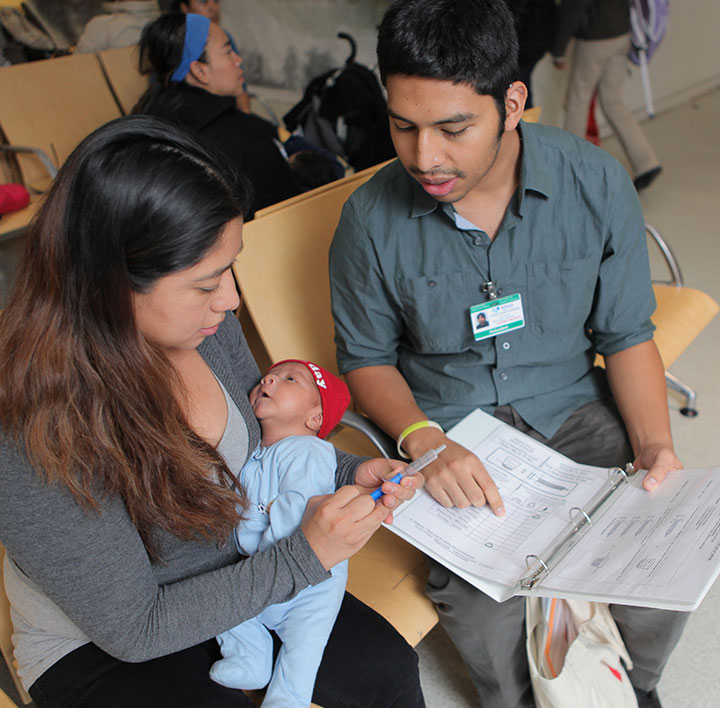
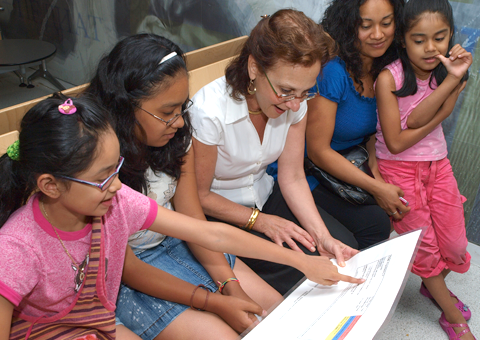
HELP Project initiatives include educational activities for parents as they wait to see their child’s doctor. HELP Educators use an interactive, parent-directed approach to foster collaborative learning.

Using Volunteers as HELP Educators

Trained volunteers are a key component of the HELP Project. Volunteers maximize the project's impact by increasing the number of families reached as well as expanding the skills and knowledge of the volunteers themselves.

LEARN MORE Using Volunteers

Productive Use of Waiting Time

Waiting time is not wasted time! Instead, parents use the time before they see their child’s doctor to talk about important health issues. Parents are very positive about this “learning while waiting” approach.

Interactive, Conversational
Teaching Style

From the moment we introduce ourselves to families in the waiting room, our approach is conversational and interactive. We ask parents questions and listen to their experiences. We share information about the curriculum based on their specific needs. This informal, personal approach helps us build a relationship during the activity to enhance learning.

Individualized Learning

Respecting individual and cultural differences is a key element of our approach. We work with many types of parents, including quiet parents, parents who have had limited formal education, non-English speakers. Each encounter is adapted to a parent’s needs and learning style.

LEARN MORE Using Volunteers

Collaborative Learning

Rather than a traditional top-down educational method, we use a collaborative learning style to exchange information. We provide parents with problem-solving strategies and answers to their questions. In turn, parents provide us with important feedback. Our curricula have evolved as a result of this input.

Confidence Building

Our goal is to help parents see the value of what they already know, and use this as the foundation for discussing new information. We use materials parents have seen but may not have fully understood—like a nutritional chart showing sugar content in drinks—to provide new information within a familiar context. We want to build confidence so parents begin to see themselves as “learners” who seek out other learning opportunities.

Flexible

It’s hard to predict how long a parent will spend in the waiting room. That’s why each HELP activity is presented in a flexible, layered format, with each layer adding new concepts. This way, useful information is shared even if a parent can’t complete an entire activity.

The content of HELP activities varies, but each follows a set curriculum that is then shaped by the unique interactions between the HELP Educator and the parent. Each contains core curriculum components.

Written Materials

Activities include common written health materials as well as those designed specifically for the curriculum.

Practical

Materials that parents are routinely asked to use, such as medicine labels, pharmacy handouts, formula preparation instructions or nutritional labels.

Learner Friendly

Materials created for activities are written in plain language, at a 6th grade reading level. Attractive photos and graphics support the information provided.

Multilingual

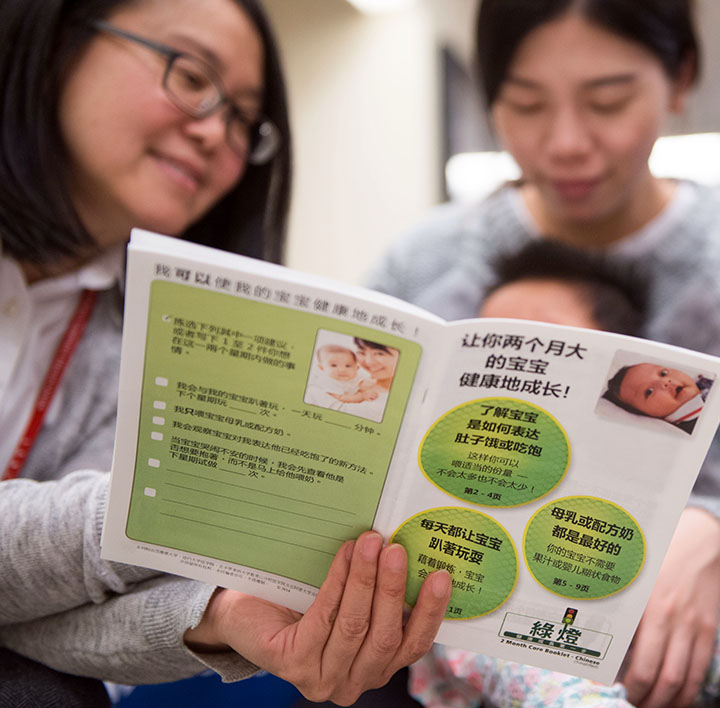
Materials are translated into several languages. When possible, translations appear alongside the original English, allowing non-native English speakers to see both languages.

Problem-Solving Strategies

HELP activities seek to provide parents with problem-solving strategies they can use to support the health of their family. Examples include how to break down complex, written information to make it easier to understand, how to prepare questions for healthcare providers, and organizing complex medical regimes.

Giveaways

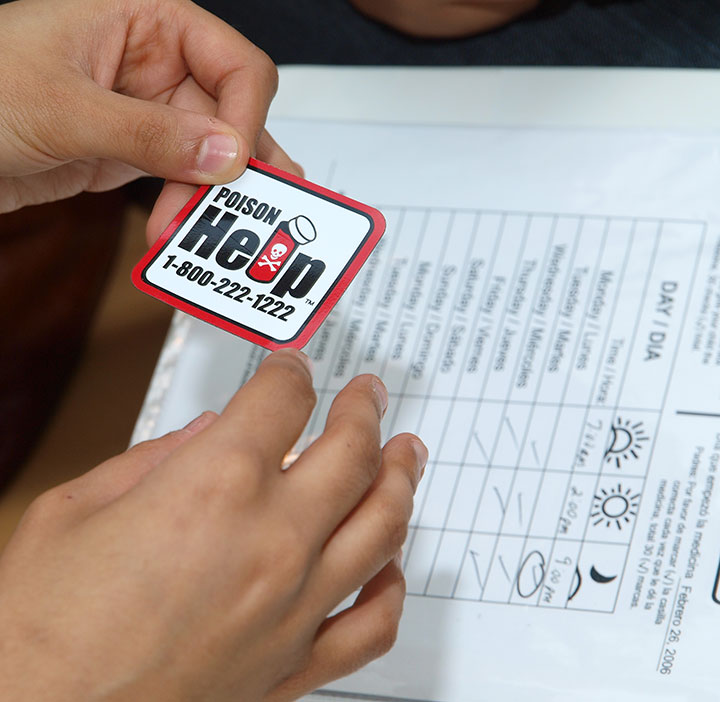
Each activity includes an appropriate giveaway to help parents put into practice what they’ve learned after they have left the clinic. These include dosing instruments, “hotline” magnets and copies of written materials from the activity.

Referrals to Resources

For parents who struggle with reading or would like to learn English, a HELP activity can serve as a safe introduction to adult education. We offer adult education referrals and support to interested parents. Referrals are also made to social and developmental services provided in the clinic.

EDUCATOR LOG IN
© 2026 Greenlight HELP Initiative
Contact Us / Terms & Conditions / Privacy Policy